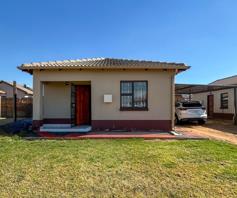
Homeownership can provide far more than just a place to live; it can fundamentally change the way people think about saving, spending, and financial planning.

For many South Africans, buying a property is the biggest financial commitment they will ever make. While the focus is often on securing a bond, putting down a deposit, and managing the monthly repayments, homeownership can have a significant impact on how people approach money well after the purchase is final.
According to Adrian Goslett, CEO and Regional Director of REMAX Southern Africa, what sets homeownership apart from other major purchases is that it is both a personal and financial investment.
“When people buy property, they might start thinking about their money differently. Instead of spending money on things that bring immediate gratification such as a new vehicle or vacations, the mindset often changes to focus more on building financial value for the future,” explains Goslett.
One of the most significant changes is the way homeowners might approach saving. Before purchasing a home, saving is often associated with specific goals. However, after buying a property, many homeowners might become more intentional about growing a financial reserves for property-related goals, whether it is maintenance, renovations, or unexpected expenses.
READ: Tips on how to start your emergency savings
This is according to Yael Geffen, CEO of Lew Geffen Sotheby’s International Realty, offers the following innovative tips to help you save for your deposit:
Automate Your Savings:
Make saving a seamless part of your financial routine by setting up automated monthly transfers to your dedicated home fund. Automating this process ensures that you consistently contribute to your home fund without the temptation to spend the money elsewhere.
Optimise Your Budget:
Scrutinise your monthly budget with a fine-tooth comb to identify areas where you can cut costs. Trim unnecessary subscriptions, dine out less frequently, and reassess discretionary spending and redirect the money you save into your home fund. Small adjustments can add up over time, significantly boosting your down payment savings.
Set Realistic Goals:
Establishing specific, measurable, and achievable goals is crucial for effective budgeting so break down your down payment target into manageable milestones. By setting realistic goals, you create a roadmap for your savings journey, making it more tangible and achievable.
Explore Renting Out Unused Space:
If you have extra space in your home, consider renting it out to generate additional income. The income generated from renting out a spare room or a guest house can supplement your savings for a deposit.
Negotiate Bills and Expenses:
Don't be afraid to negotiate your bills and monthly expenses. Contact service providers, such as internet and insurance companies, to explore potential discounts or better deals. Every Rand saved on recurring expenses is a Rand that can go toward your home fund.
Embrace the Side Hustle:
Consider channelling your skills and hobbies into a profitable side hustle. Whether it's freelance writing, graphic design or pet sitting, a side hustle can generate additional income specifically earmarked for your down payment.
Downsize Your Lifestyle:
Temporarily downsizing your lifestyle can yield significant savings. Consider living in a smaller, more affordable apartment or moving to a less expensive neighbourhood. Redirect the difference in rent or mortgage payments to your down payment fund. This sacrifice may be temporary, but the long-term benefits are substantial.
Sell Unused Items:
Declutter your home and pad your deposit fund by selling unused items. From clothing and electronics to furniture and collectibles, there may be hidden treasures in your home that can contribute to your savings goal.
Invest Strategically:
Consider strategic investment opportunities to grow your down payment fund. While it's essential to be cautious and consult with a financial advisor, investing in low-risk, diversified portfolios or retirement accounts or simply saving in a fixed deposit account can potentially yield higher returns than traditional savings accounts. Be sure to balance risk and reward based on your risk tolerance and timeline.
Property ownership also tends to increase awareness of the true cost of lifestyle choices. Goslett notes that monthly bond repayments, rates and taxes, levies, insurance, and maintenance expenses all require managing budgets carefully and prioritising needs over wants. For first-time homeowners, these responsibilities can feel quite daunting but they often foster stronger financial discipline over time.
“Homeownership teaches valuable financial lessons that extend far beyond property itself; it encourages planning, discipline, patience, and a focus on long-term outcomes. These are the habits that can strengthen every aspect of a person’s financial wellbeing,” says Goslett.
If you’re thinking about taking the next step in your property journey, reach out to your local REMAX office who can help you weigh up if you’re ready to make the biggest financial step of your life and navigate the process wisely.
Want all the latest property news and curated hot property listings sent directly to your inbox? Register for Property24’s Hot Properties, Lifestyle and Weekly Property Trends newsletters or follow us on Twitter, Instagram or Facebook.