As borrowing conditions improve and household priorities continue to shift, many South Africans are setting their sights on 2026 as the year they finally move from renting to owning.
According to RE/MAX Southern Africa, the key to a successful transition lies in early preparation, realistic budgeting and access to the right professional advice.
READ: South Africa’s housing market set for recovery in 2026
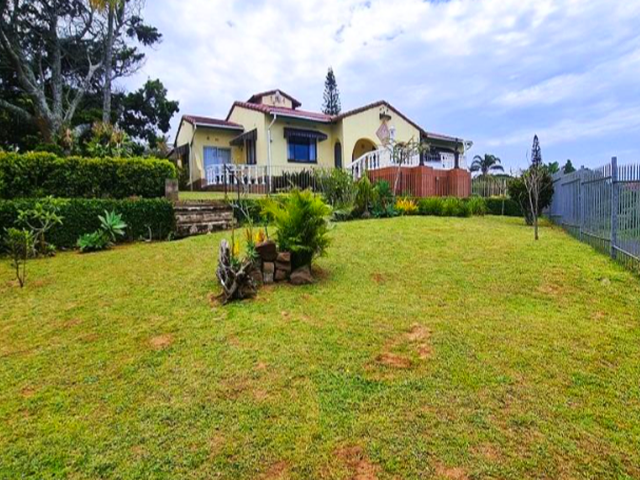
“Home ownership remains one of the most powerful long-term investments South Africans can make, but it’s also one of the biggest financial commitments,” says Adrian Goslett, CEO and Regional Director of RE/MAX Southern Africa. “Buyers who plan ahead, understand their true affordability and lean on experienced property professionals are far more likely to succeed.”
Preparing for your first home
The journey into home ownership starts well before viewing properties. RE/MAX Southern Africa recommends that prospective buyers begin with a realistic affordability assessment based on take-home pay and existing financial commitments, rather than a maximum loan estimate. Bond repayments should leave room for savings, emergencies and lifestyle costs, while also accounting for future changes such as school fees, transport needs or family growth.
Credit health is another critical factor. Buyers planning to purchase in 2026 should obtain their credit reports early, correct any inaccuracies and focus on reducing revolving debt. Paying accounts on time, keeping credit utilisation low and avoiding unnecessary new debt can significantly improve bond approval terms.
READ: Repairing a bad credit store
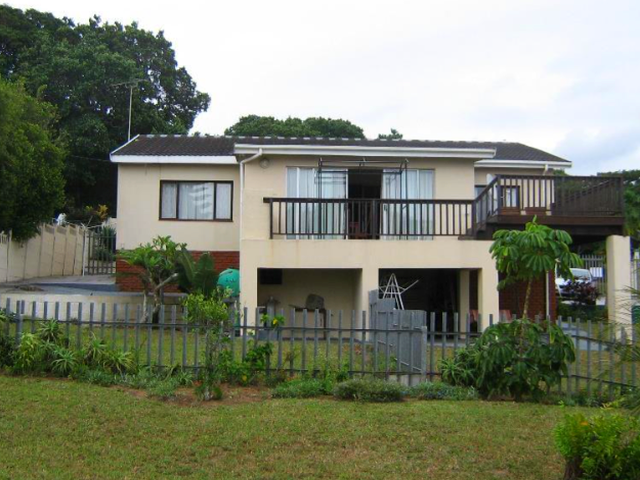
Saving consistently towards a deposit also strengthens a buyer’s position. While zero-deposit loans are sometimes possible, even a modest deposit improves approval chances and reduces monthly repayments. Buyers should also budget for upfront costs such as transfer duty, conveyancing fees and bond registration.
Importantly, owning a home involves more than just servicing a bond. Municipal rates, utilities, levies, maintenance, security and long-term upgrades all form part of the true cost of ownership. A detailed monthly budget is essential to avoid financial strain later.
When it comes to choosing a property, lifestyle practicality matters as much as price. Commute times, access to schools and healthcare, neighbourhood safety and resale demand all influence long-term value. Working with a trusted property professional can help buyers assess these factors, negotiate effectively and avoid costly mistakes.
READ: Finding the right estate agent for your property sale
“Buying your first home should feel exciting, not overwhelming,” Goslett adds. “With the right plan and guidance, 2026 can absolutely be the year renters become homeowners.”
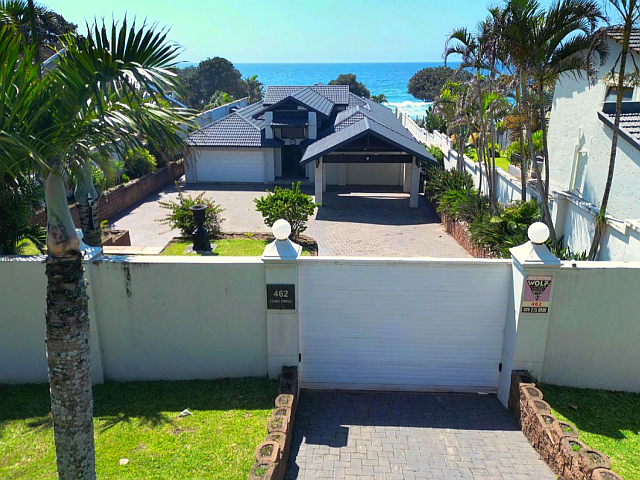
Where buyers are finding value in 2026
For many first-time buyers and lifestyle-driven movers, affordability is increasingly being found outside major metros. The KwaZulu-Natal South Coast, in particular, continues to attract strong interest due to its coastal lifestyle, warm climate and improving infrastructure.
READ: Property terms explained: An A–Z guide for buyers, sellers and renters
According to Mohammed Valodia, area principal for Pam Golding Properties Port Shepstone, the revival of Margate Airport with direct daily flights to OR Tambo International Airport has been a major drawcard for Gauteng buyers. The region is seeing growing demand from retirees, remote workers, young families and holiday-home investors.
The lower South Coast, from Mtwalume to Margate, remains active. Vacant stands in areas such as Hibberdene and Umtwalume are still accessible from around R80 000 to R250 000, while sectional title apartments start from approximately R700 000. Family homes priced between R1.2 million and R2.5 million are particularly popular with permanent residents.

Beachfront homes command a premium from about R2.5 million, while properties just one street back offer strong value from around R850 000. Planned infrastructure projects, including the newly announced Port Shepstone harbour, are expected to further support long-term growth.
Further south, Port Edward is also gaining traction. Area principal Cath Molyneaux notes steady demand for vacant land priced between R150 000 and R190 000. Sectional title units range from R1.2 million to R3 million, while beachfront homes typically fall between R3.5 million and R6 million. San Lameer continues to stand out as a lifestyle and rental investment hub.
North of Mtwalume, Pennington is experiencing similar momentum. Stef Nel, area principal for Pam Golding Properties Pennington, reports strong interest from Gauteng and inland KZN semigrants. Vacant stands range from R230 000 to R400 000, sectional title units from R800 000 to R1.2 million, and freehold homes from R1.2 million to R2.5 million. Prime beachfront properties can reach up to R7.7 million.
READ: Garden Route attracts more families, professionals beyond holidays and retirement

In Amanzimtoti, the market remains dominated by sectional title units, attracting mostly local buyers. According to area principal Tony Penfold, activity is strongest between R750 000 and R1.8 million, while prime homes along Ipahla Drive range from R3 million to R20 million.
A year of opportunity
For first-time buyers, 2026 presents a rare alignment of improved affordability, lifestyle-driven relocation trends and diverse entry-level opportunities across the country. With careful planning, realistic expectations and professional support, stepping onto the property ladder may be closer than many renters think
Want all the latest property news and curated hot property listings sent directly to your inbox? Register for Property24’s Hot Properties, Lifestyle and Weekly Property Trends newsletters or follow us on Twitter, Instagram or Facebook.