High thread count doesn't necessarily mean that bed sheets will be softer or better quality and here's why.
READ: DIY | How to make a curtain using a flat sheet
Having a good night's sleep is important if we want to stay on top of our health and maintain an active lifestyle. After all, we spend so much time sleeping that many people will go out of their way to ensure they have all the suggested essentials for a good night's sleep, anything from a mattress that offers the right support, to pillows that adjust to your sleeping position, weighted blankets or lightweight duvet inners, to the perfect curtains, lighting and so on.
To many, having the right bed sheets also matters. Bed linen should be soft but still have a certain amount of crispness, they should not pill at the bottom, and they should ultimately wrap you in comfort to steer you into the Land of Nod. So what makes a good set of bed sheets?
What is thread count?
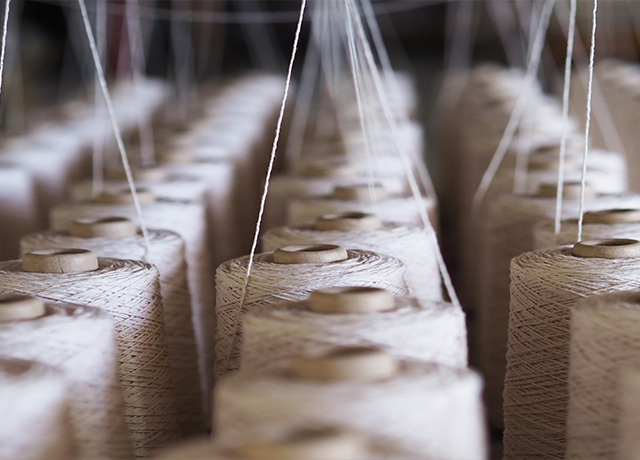
To put it simply, thread count is the number of 'threads' per square inch of fabric. In many instances, the higher the thread count the finer the threads or yarns used to make the item and hence the assumption that a higher thread count means higher quality and softer fabric. But this is not always the case and there are plenty of examples in the marketplace where high thread count items are no different from the rest. Why? Because this does not take into consideration the quality of the thread of yarn, whether it is cotton or a cotton/synthetic blend, or the weaving process used to produce the bed linen.

What is Egyptian cotton?
This is where things get interesting. Not too long ago we found out that bed linen made using Egyptian cotton offered a better quality product. This is because Egyptian cotton is grown in a specific region where fertile soil and warm climate produce a better quality of cotton - one of finer fibres. Hence the understanding that Egyptian cotton is high quality and will guarantee softness. But now, there is bed linen that advertises high thread count for better quality but that isn't always the case and you could end up buying a product that should have been lower priced rather than the price pushed up. How would you know the difference?
If you want bed sheets or bed linen that are softer than the usual, shop for 180 to 220 for good quality or 300 to 500-thread count for great quality manufactured using 100% cotton yarn.
Make sure to buy Egyptian cotton
If you are prepared to pay more for better quality bed linen, at least make sure that it is Egyptian cotton and not just a cheap imitation. If it doesn't say manufactured using Egyptian cotton, think twice. You could end up buying a 1,000-thread count sheet at a cost of R400 whereas 500-thread count sheet is actually the better product at half the price. According to Good Housekeeping, a test involving a 1,000-thread count sheet and a 500-thread count sheet revealed that the testers found an identical softness for both, despite the fact that one was far cheaper than the other.
Select the best thread count
Bed linen of Egyptian cotton is most definitely going to cost more than plain bed sheets but there is no reason why you cannot opt for a thread count of between 300 to 500, so long as it is not a synthetic blend. You want sheets that are 100 percent cotton and preferably with single-ply weaves. Take note that good housekeeping found that bedding manufacturers were offering 1400-thread count cotton that was actually a cotton, polyester blend, the high thread count being achievable using thin polyester yarns rather than quality cotton.
For softness and quality, select bed linen that clearly states 100% cotton and not polycotton, which is a cotton/poyester blend.

How to keep your sheets fresher for longer
To make your sheets last longer between laundry days, the experts at Secret Linen Store recommend the following tips:
Linen sprays
The smell of freshly laundered sheets is so inviting that it can prompt over washing but investing in a beautifully scented linen spray will give your sheets that ‘just washed’ feel without putting them through the machine too much. Consider combining some drops of your favourite essential oil with water for a refreshing bedding spray.
Wearing pyjamas
Dead skin cells and oils that your body excretes are one of the main hygienic reasons for washing bed sheets regularly. Wearing pyjamas protects your bedding by creating a barrier between your body and your sheets, and pajamas are much smaller and easier to wash than your full bed set!
Small Area Cleaning: If you do encounter the odd ad hoc small stain, you can blot clean small spots with a liquid detergent spray, rather than hauling all of the linen into the washing machine. Washing just your pillowcases if they stain quicker than your sheets is another way to reduce your washing load.
Airing the bed
Pull back your blankets or duvet when you’re not sleeping in your bed to allow your sheets to breathe; this helps remove moisture that mites need to thrive.
Storing Your Sheets: Fold your laundry and store it somewhere cool and dark, but be mindful of wooden drawers, the smell of some wood could transfer into the dry laundry. Remember, you should only store sheets when they're completely dry: If your laundry is moist when you store it away, bacteria will grow on the fabric and it will become musty. No one likes musty sheets.
READ: Here is how you can create a luxurious bedroom environment
Shower before bed
Washing the day’s dirt off your skin before going to sleep is a top way to reduce bacteria build up in your bedding, plus a hot water soak can aid your night’s rest!
Want all the latest property news and curated hot property listings sent directly to your inbox? Register for Property24’s Hot Properties, Lifestyle and Weekly Property Trends newsletters or follow us on Twitter, Instagram or Facebook.