Black mould is a dangerous fungus that can severely impact both your property and well-being. It thrives in damp conditions, often growing unnoticed until it has spread extensively.
READ: Eliminate bathroom mould and mildew: Effective removal techniques
Recognising the early signs of black mould is crucial for preventing serious consequences such as structural damage or respiratory problems. Taking immediate action when you notice any warning signs can protect your home and family from further harm.
Read on to discover the key indicators of black mould and learn why timely testing is essential for keeping your home safe.
1. Musty Odors in Your Home
A musty smell is often one of the first signs that mould is present in your home. Black mould, in particular, produces a strong, earthy odor that can quickly fill a room, especially in areas with high humidity or poor ventilation. Even if mould is hidden behind walls, under floors, or inside insulation, its odor can still seep through cracks and permeate the air in living spaces. This musty scent is often caused by the release of volatile organic compounds (VOCs) that mould produces as it grows.
If the smell persists despite cleaning, airing out your home, or using air fresheners, it could indicate that mould is thriving somewhere out of sight. Mould growth often occurs in hidden spaces such as basements, crawl spaces, or behind appliances, where it remains undetected until it reaches an advanced stage.
When the musty odor lingers, it's a strong signal that mould may be actively growing and releasing spores into your indoor environment. In such cases, black mould testing is essential to pinpoint the source and determine if mold spores are contaminating the air, potentially posing health risks.
READ: Get rid of mould without using harsh chemicals
2. Visible Mould Growth
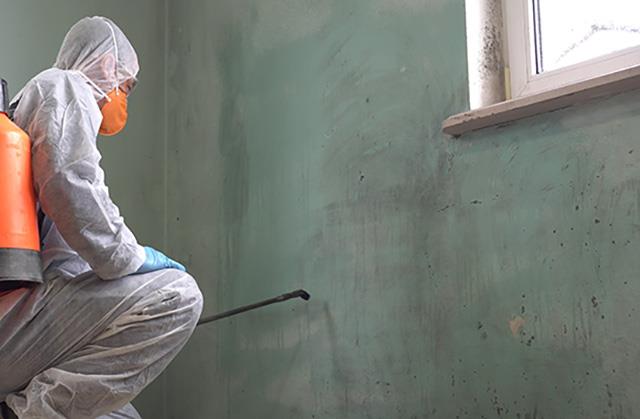
Visible mould growth is one of the most obvious signs that mold may be present in your home. Black mold usually manifests as dark green or black patches, often with a slimy or fuzzy surface. It can be found on walls, ceilings, floors, or even furniture, particularly in areas that have been exposed to moisture, such as bathrooms, kitchens, or basements. These mould colonies thrive in damp, humid environments, where water has seeped into materials like drywall, wood, or carpeting.
If you notice visible mould , it's crucial not to delay in addressing the issue. Mould spreads quickly, and even small patches can expand rapidly if left untreated. Over time, it can penetrate deeper into surfaces, making cleanup more difficult and costly. It’s important to act quickly to prevent further contamination of your indoor environment.
3. Health Symptoms and Allergic Reactions
Exposure to black mould can lead to a variety of health issues, especially respiratory problems. Common signs of mould exposure include coughing, sneezing, skin irritation, and eye discomfort, all of which are indicative of an allergic reaction.
For individuals with asthma or other pre-existing respiratory conditions, mold exposure can exacerbate symptoms, causing wheezing, shortness of breath, or chest tightness. In more severe cases, prolonged exposure to black mould can result in headaches, dizziness, and difficulty breathing, all of which can significantly impact quality of life.
If you or your family members experience any of these symptoms, it's a strong indication that mould may be present in your home. The symptoms can often mimic those of other common illnesses, so it's essential to consider your environment as a potential factor.
READ: How to get rid of musty smells in your house
4. Excess Moisture or Water Leaks
Excess moisture is one of the most significant contributors to mould growth in homes. Areas that experience leaks, flooding, or high humidity levels are particularly vulnerable to mould problems. Even after a water leak is fixed, moisture can become trapped in materials like walls, ceilings, or flooring, providing the perfect environment for black mould to grow and spread. This trapped moisture can remain hidden for long periods, often unnoticed until mould colonies have already begun to form.
If you notice damp spots or water stains on your walls, ceilings, or floors, it's crucial to check for mould , especially in areas like basements, kitchens, and bathrooms that are prone to higher moisture levels. These stains are a clear sign that excess moisture has been present, which could lead to mould growth if not addressed promptly. Timely home improvement repairs, such as fixing leaks and improving drainage, can significantly reduce the chances of mould growth.
5. Poor Ventilation and Stagnant Air
Mold thrives in areas with limited airflow and poor ventilation. Bathrooms, basements, attics, and crawl spaces are often prone to mould growth due to their lack of proper ventilation. If you live in an area with high humidity or if you notice that certain rooms feel stuffy or musty, black mould could be present. Ensure that your home is well-ventilated, especially in areas prone to moisture buildup. However, if ventilation doesn’t seem to help, black mould testing can confirm whether mold is lingering in the air or in hidden spots.
Final Thoughts
Taking action early can help prevent mould-related damage and health issues. Don’t wait for mould to spread before addressing the problem. Regular checks and prompt repairs can keep your home safe. If you notice signs of mould, it’s important to seek professional help for testing and removal. Protect your home and health by staying proactive.
Want all the latest property news and curated hot property listings sent directly to your inbox? Register for Property24’s Hot Properties, Lifestyle and Weekly Property Trends newsletters or follow us on Twitter, Instagram or Facebook.


