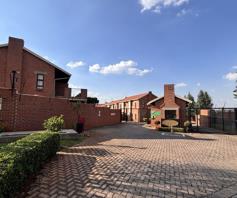
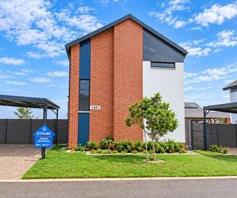
Renting a flat or a home is a significant part of many people’s lives. Young people often start by renting before purchasing a home. Others may rent for financial reasons or for the mobility it offers.

READ: Rights and responsibilities in rental housing – know where you stand
Since renting essentially means that you are living in someone else’s home, Seeff agents say that tenants must be aware of the limitations and rules that come with to ensure they enjoy their rental to the maximum.
The lease agreement is usually the guiding contract which outlines specifics pertaining to the use of the property. This would include the “house rules” from the landlord on the use of the property, as well as those which pertain to the complex or estate. Ignoring these can lead to serious consequences, and even eviction.
Understanding and respecting these limitations is key to a harmonious tenancy, say the agents. By adhering to the lease agreement and acting responsibly, you can enjoy the rental property without unnecessary conflict and ensure a positive relationship with the landlord. When in doubt, always communicate with the rental agent or landlord for clarification to avoid potential misunderstandings.
READ: Common landlord-tenant disputes and how to avoid them
Seeff’s rental agents highlight five key things that tenants cannot do in a rental property:
#1 - Conduct illegal activities. Illegal activities are strictly prohibited in rental properties, including drug-related actions, disruptive unlicensed businesses, or any contravention of South African law. Such activities violate the lease agreement and may lead to eviction. Aside from the legal consequences, such actions would breach your lease agreement and can result in eviction from the property.
#2 - Make structural alterations. Generally, no changes or alterations, including knocking in nails for fixtures, may be done without the written permission of the landlord. In the event of such an arrangement with the landlord, then there should be an agreement as to what happens when the lease ends. In most instances, the tenant must restore the property to its original state, and no compensation can be claimed.
#3 - Sublet the property without explicit permission. Most lease agreements expressly forbid the subletting of the property, or other sharing tenants without permission. The lease agreement is a contract between the tenant and the landlord, based on an assessment of the suitability of the tenant. Introducing a new, unvetted occupant could result in a breach of the lease agreement which could have dire consequences for the tenant.
#4 - Cause a nuisance, disrupt neighbours or violate complex rules. Living in a rental property means being part of a community, whether it is a standalone house in a suburb or an apartment in a complex governed by a body corporate. Tenants are expected to be considerate of neighbours and adhere to complex rules, including keeping noise levels reasonable, and respecting use of public areas, including parking bays.
#5 - Cause damage beyond fair wear and tear. While some wear and tear are expected over the course of a tenancy, the tenant is responsible for maintaining the property. Regular cleaning and reporting maintenance issues to the landlord or agent is therefore crucial to ensure no damage results. Anything due to tenant neglect is usually for the tenant’s account.
READ: How to attract and retain long-term tenants
At Quay 1 International Realty, we've seen it all and know what tenants need to look out for. Every tenant should ask five essential questions before signing on the dotted line.
What's included in the monthly rent?: Knowing if your rent covers more than just the roof over your head is crucial. Ask about utilities, maintenance, and even security services. A seemingly affordable rent could come with hidden extras, so make sure you're crystal clear.
What is the Landlord's maintenance policy?: Knowing who is responsible for repairs and how quickly maintenance issues are seen is key. A responsive landlord or property manager can make all the difference in your rental experience.
Are there any upcoming renovations or building projects?: No one wants to be surprised by scaffolding outside their window or ongoing construction noise. Make sure you're aware of any planned changes to the Property.
What are the rules around deposits and renewals?: Tenants should clarify how their security deposit will be handled and under what circumstances it can be withheld. They should also understand the lease renewal process—will it be automatic, and will the rent increase?
Can I personalise the space?: Some tenants love to make a rental feel like home. Still, knowing what's allowed regarding décor and modifications is This also includes pet policies, which are often a dealbreaker for tenants.
Asking these five questions can save you a world of trouble and ensure your lease experience is smooth and hassle-free.
READ: How to prevent and resolve rental disputes
Want all the latest property news and curated hot property listings sent directly to your inbox? Register for Property24’s Hot Properties, Lifestyle and Weekly Property Trends newsletters or follow us on Twitter, Instagram or Facebook.