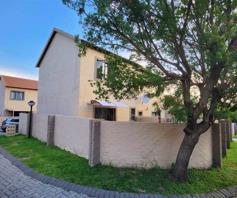
Densification has become an unpopular word in Western Cape suburbia, with a recent relaxation of rezoning and subdivision policies spurring an already active property development sector. While few can deny the desperate need for more homes in land scarce and ever-expanding Cape Town, property owners are justifiably concerned about the effect shrinking plot sizes and increasing traffic congestion will have on their property values and lifestyles.

According to Schalk van der Merwe, franchisee for the Rawson Properties Helderberg Group, development doesn’t always spell disaster for residential suburbs. In fact, many neighbourhoods are benefitting significantly from new projects within their borders, experiencing both a rise property values and an increase in the availability of local amenities and conveniences.
Van der Merwe says it’s natural for homeowners to be wary of new subdivisions or rezonings in their area, but interest from builders or developers is actually a very good sign for a suburb. It indicates high property demand, low existing supply and a willingness from buyers to spend a little more to live where you do.
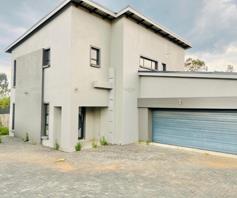
Admittedly, most new-build projects in suburban neighbourhoods involve subdivision or sectionalisation of larger plots to accommodate multiple, smaller dwellings in the form of apartment blocks, security estates or gated villages. This tends to raise concerns about traffic flow, privacy and overcrowding from nearby neighbours.
However, he says the legislated impact studies and processes that must be followed by buyers or developers are specifically designed to minimise any potential negative effects on the surrounding neighbourhood.

Ironically, the fact that these new properties are smaller and more densely populated than the neighbourhood average, and likely listing at higher prices due to the expense of building in South Africa, tends to increase the value of surrounding homes by association.
This is particularly true when old or neglected properties are renovated, breathing new life and bringing fresh landscaping into a previously stagnant zone.
The arrival of greater numbers of residents also drives local industry, encouraging new shops, restaurants and services to open their doors in the area. This can greatly increase the convenience and lifestyle of all residents, says Van der Merwe.
The influx of prospective buyers drawn by new developments often sparks an uptick in sales outside the developments as well.

“We often see interested buyers opting out of the estate or apartment block in favour of a larger freehold property, instead. This gives them the space for a bigger family, more pets, or the option to renovate and add value. This trend can be of great benefit to existing homeowners looking to capitalise on market momentum and make a favourable sale,” he says.
Despite the many potential benefits of new suburban construction, homeowners are absolutely justified in being cautious when it comes the value of their properties. However, Van der Merwe strongly advises that they engage with developers to find out more about a project before objecting on principle.
“Not all developments are good developments, but not all developments are bad either. If you’re in any doubt about what kind of effect construction will have on your property, get in touch with your neighbourhood real estate expert. It’s always better to have a complete grasp of the situation before making any rash decisions, and in the event that a development does pose a threat to your property, you’ll be better equipped to object with a professional on your side,” says Van der Merwe.
Some of the suburbs in the Western Cape where positive developments are taking place include Paarl and Brackenfell.