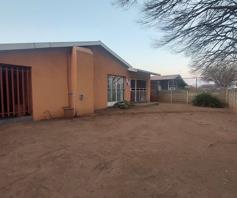
The Northern Cape property market is experiencing renewed momentum, fuelled by renewable energy investment, growing demand from semigrants, and strong rental yields.
While the Western Cape continues to attract the bulk of semigrants, smaller provinces such as the Northern Cape are emerging as alternative destinations for those seeking affordability, stability, and a relaxed lifestyle.
READ: Rising prices and low rates: The window of opportunity for buyer

According to David Jacobs, Regional Sales Manager for the Rawson Property Group, the semigration trend remains one of the defining forces in South Africa’s housing market. “The Western Cape is still the top choice for semigrants, largely due to better service delivery and infrastructure,” he says. “However, smaller towns across other provinces - including the Northern Cape - are gaining traction among buyers looking for more affordable options and the flexibility of remote work.”
Renewable energy projects power growth
Jaco Badenhorst, Sales Manager for Seeff Country, says that sales and rental activity across the Northern Cape have surged. “Aside from local buyers, we’re seeing more movement from Johannesburg, Pretoria, and even KZN - buyers who want to invest or relocate to smaller towns offering better value,” he says.
Property price growth in the province is now among the strongest in South Africa, at 4.75%, outdone only by the Western Cape and Limpopo, according to Lightstone. The average rental rate has reached R10,122 per month, up by 7.5% year-on-year, based on PayProp data.
READ: Pretoria and Cape Town’s prestige ambassadorial suburbs are booming
“The renewable energy boom has been a real catalyst,” adds Badenhorst. “Projects such as Kenhardt and Redstone are attracting significant investment, creating jobs, and increasing demand for property across nearby towns.”

Affordable investment opportunities
Despite its growing popularity, the Northern Cape remains the most affordable province, with an average property price of R935,806. Most sales fall between R400,000 and R1.5 million, and fewer than 2% exceed R2 million.
“The province offers excellent value, particularly for buy-to-let investors who can purchase properties at lower price points and achieve solid rental returns,” says Badenhorst.
Kaylene Grasser, from Seeff Springbok, says average house prices in Springbok range between R1.9 million and R2.2 million, while smaller towns average around R700,000. “Lower price bands - around R1 million in Springbok or R500,000 in smaller towns - are most in demand,” she says.
Rental demand is strong, averaging R12,775 per month, driven by renewable energy projects, mining activity, and tourism linked to the Namaqualand wildflowers and the N7 route to Namibia.

Lifestyle appeal and diverse buyers
Mariaan Booysen, from Seeff Gariepdam, Colesberg and surrounds, says the region remains popular among retirees and downscaling buyers from Gauteng, KZN, and the Cape. “You can still buy a neat three-bedroom home with a garden for around R550,000, and rentals average R4,000,” she says.
READ: Escape to the coast: Stunning holiday homes and riverside retreats
In Upington, the Kalahari’s regional hub, Angelo da Silva from Seeff Upington notes that the town’s growth is driven by its role in agriculture, solar farming, and education. “Upington attracts families from surrounding areas and professionals working on renewable energy projects,” he says. “Homes typically sell between R1 million and R2 million, with rentals between R9,000 and R12,500.”
Meanwhile, Sanja Marais from Seeff Hopetown highlights the Great Karoo’s appeal to lifestyle buyers. “We’re seeing more interest from Gauteng and Pretoria residents looking for a slower pace of life,” she says. “Average home prices are around R1.2 million, and rentals near R7,500 per month.”

A market benefiting from shifting migration trends
While much of South Africa’s semigration focus has traditionally centred on the Western and Eastern Cape, experts note that other regions are beginning to share in the movement.
“As remote work becomes more entrenched, smaller towns with affordable housing, strong community ties, and improving infrastructure are becoming increasingly attractive,” says Jacobs. “The Northern Cape’s affordability and lifestyle value make it a logical choice for buyers priced out of the Western Cape or KZN markets.”
READ: Buying sectional title? What you need to know about levies
A promising outlook
With ongoing renewable energy investment, steady semigration flows, and robust rental demand, the Northern Cape is establishing itself as one of South Africa’s most promising emerging property markets.
“The property market in smaller towns is no longer just about affordability - it’s about opportunity,” says Samuel Seeff, Chairman of the Seeff Property Group. “The Northern Cape is proof that the right economic catalysts can turn even the most remote provinces into thriving property destinations.”
Want all the latest property news and curated hot property listings sent directly to your inbox? Register for Property24’s Hot Properties, Lifestyle and Weekly Property Trends newsletters or follow us on Twitter, Instagram or Facebook.