So, you’ve found the perfect home? Great area, spacious bedrooms, awesome kitchen. You have checked everything out and it all seems great, but did you look up? Asks Jenny Berk from All Seasons and Waterproofing.
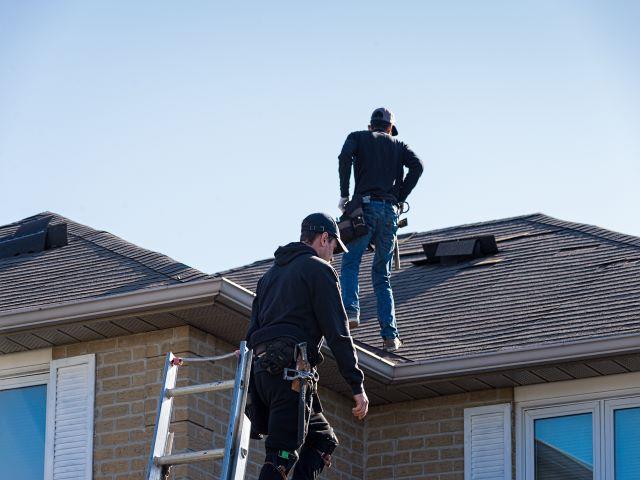
Berk says very few people actually inspect the roofs of houses they want to purchase.
“Even if it has crossed your mind, who carts around a 6m ladder to an open house? In addition, not everyone is able to get up on a roof,” she says.
Take the case of Shaun, says Berk. He, his wife, and young son moved into a house, and in the first winter rains a mere six weeks later, the toddler came through drenched. He’d found a puddle in the dining room and thought it would be great fun to play in the water. As it turned out, their TV room was not so leak-proof either. The parents were horrified, so they contacted the seller, who told them that all the roof problems were new, as there has been no existing leaks when he sold. The seller also promptly lawyered up, she says.

Berk says Shaun called All Seasons and Waterproofing out to investigate and what they found a poorly maintained roof, with cracks all along the ridge and several broken tiles.
READ: Repair tips | How to find and fix a roof leak
There was also a large hole near their chimney, and water was able to pool just behind the chimney, adding to the problem. This caused water to leak onto the plastic underlay and it ran down until it found a place to enter the house, where the child was playing.
She goes on to say that they also found a poorly constructed roof over the TV area and clear evidence of constant patching to prevent leaks. Where a gutter should have been installed, a barge board was used, and then pap ‘n lapped to try to stop the gaps. “And to add insult to injury, the roof sheets were only secured at either end; not all the way along the sheets,” she says.
Berk says all these problems were pre-existing and that the seller knew it. But now Shaun had entered the territory of lawyers and suing – all the while having to pay for repairs.
How do you prevent this from happening to you, follow the following steps:
- Take the time to check out the roof, buy dividing the roof into sections, inspect and take photos of each section.
- Take closer photos of any defects you find, clearly identifying where they are on the roof.
- On a tile roof, you’re looking for broken tiles, cracks in the mortar, and mortar missing from the ridge.
- If your roof has different levels, inspect the waterproofing where the two meet. Is it cracked, flaking, or peeling? Are there hips and valleys? Check out how those joins are done.
- Also look for any anomalies such as dips, particularly around chimneys.
- Pooling water is the first no-no of any waterproofing on the roof.
- On a roof with sheeting, look at the quality of the sheets. Can you see any rust, any indentations, or any sign of roof sheets bending?
- Check the rubber seals on the self-drillers and scan for any that may have been drilled in too deeply. Also, check that the self-drillers are in the right place (and that they’re all there).
READ: Winter home maintenance checklist - and when insurance won't pay
“We have seen roofs where the screws are placed in the flat part of the sheeting and not the raised part. Examine the flashings and barge boards and if the roof is asbestos, well, just walk away right there and then,” she says.
Berk says not to forget about the gutters and downpipes. “Ask, how many times the roof was serviced, and do they allow for sufficient evacuation of rain? What do the gutters look like? Are there signs of pooling water? Are the downpipes clear?” she says.
Armed with the photos and the inspection, Berk says, you can either negotiate a better price for your new home or you can make the offer secure in the knowledge that you are not going to be caught unawares.
Want all the latest property news and curated hot property listings sent directly to your inbox? Register for Property24’s Hot Properties, Lifestyle and Weekly Property Trends newsletters or follow us on Twitter, Instagram or Facebook.